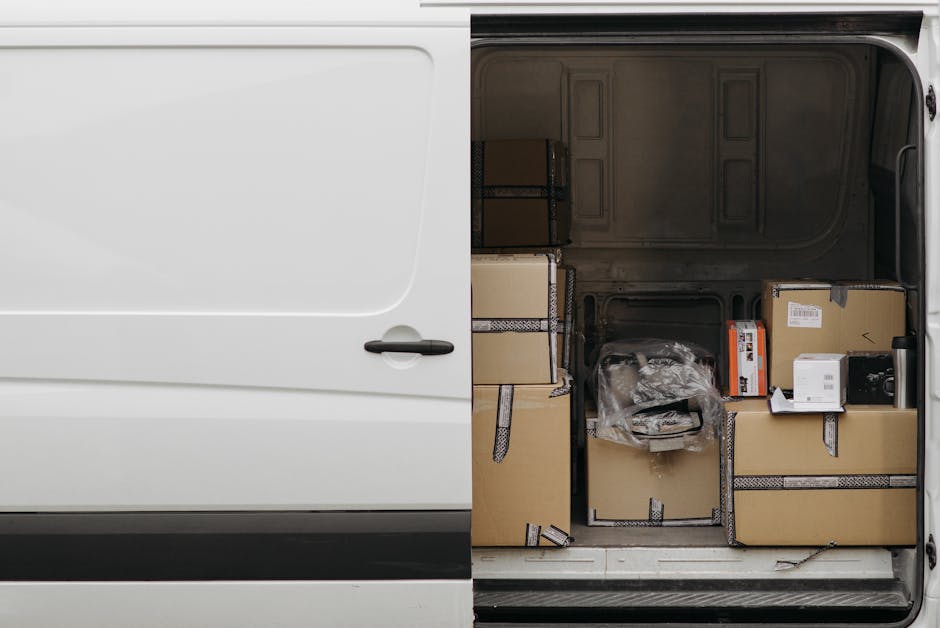
Do I need a Soho council permit for a van loading bay?

If you are trying to unload a van in Soho, the question comes up fast: do I need a Soho council permit for a van loading bay? In most real-world situations, the answer depends on where you plan to stop, how long you need, and whether the bay is council-controlled, time-restricted, or already reserved for loading only. Soho is busy, tight on space, and rarely forgiving if you arrive unprepared. One wrong assumption can mean a ticket, a tow risk, or a very awkward scramble with a sofa halfway out of the back of the van.
This guide explains the practical side of loading bay use in Soho, what a permit may be needed for, how the process usually works, and how to avoid the mistakes that catch people out. If you are planning a house move, office relocation, furniture pick-up, or a one-off delivery, this will help you make a sensible call before the engine is even turned off.
- Why this matters in Soho
- How loading bay permits and exemptions usually work
- Benefits of planning ahead
- Who needs a permit, and who may not
- Step-by-step guidance
- Expert tips
- Common mistakes to avoid
- Tools, resources and recommendations
- Law, compliance and best practice
- Options and comparison
- Real-world example
- Practical checklist
- Conclusion
- Frequently asked questions
Why Do I need a Soho council permit for a van loading bay? Matters
Soho is one of those places where parking looks simple until you actually try it. Streets are narrow, traffic moves slowly, loading space is limited, and the rules can change from one side of a street to the other. That is why a loading bay permit, dispensation, or another form of parking approval can matter so much.
A loading bay is usually designed for short-term stopping to load or unload goods. In practice, though, it is not a free-for-all. Some bays are only available during certain hours. Some are reserved for specific uses. Some require a permit or an approved booking if you want to use them for a move. And some are monitored closely because commercial traffic and residents are all competing for the same kerb space.
Truth be told, most people only think about the permit after they have already hired the van, packed the boxes, and asked a mate to help carry the heavy stuff. That is usually when the stress starts. A bit of planning upfront saves time, money, and a fair amount of frustration.
If your move involves a larger vehicle, you may also want to look at moving truck options or a man with van service that is used to working in tight London streets. In crowded areas, experience matters more than people expect.
Table of Contents
- Why Do I need a Soho council permit for a van loading bay? Matters
- How Do I need a Soho council permit for a van loading bay? Works
- Key Benefits and Practical Advantages
- Who This Is For and When It Makes Sense
- Step-by-Step Guidance
- Expert Tips for Better Results
- Common Mistakes to Avoid
- Tools, Resources and Recommendations
- Law, Compliance, Standards, or Best Practice
- Options, Methods, or Comparison Table
- Case Study or Real-World Example
- Practical Checklist
- Conclusion
- Frequently Asked Questions
How Do I need a Soho council permit for a van loading bay? Works
The short answer is that it depends on the bay and the type of activity. A permit is not always needed, but a legal right to stop there is also not automatic. In Soho, the loading bay may be governed by local parking rules, time windows, or restrictions that apply to all vehicles unless an exemption or approval exists.
Here is the practical way to think about it:
- If the bay is signed for loading only, you may be able to use it briefly for active loading or unloading, provided you follow the time limits and conditions.
- If the bay is permit-controlled, you may need prior approval or a specific parking permit for the van.
- If your activity is a house move, office move, or bulky delivery, you may need to arrange this in advance rather than assuming you can just turn up.
- If you are using a larger removal vehicle, check whether the bay can physically fit the vehicle and whether there is room for safe access. That sounds obvious, but in Soho it is very easy to get this wrong.
In practice, the process usually goes like this: you identify the exact location, check the bay restrictions, confirm the loading period, and make sure your vehicle and activity fit the rules. If the move is more complex, you may need to coordinate timings so that the van is only there while loading or unloading is actively happening.
That last point trips people up. A loading bay is typically for active use, not for parking while you go off to the pub, grab a coffee, or wait for the lift to be fixed. A brief pause can be acceptable in some cases, but leaving the vehicle unattended for too long can turn a sensible plan into a fine. Not ideal, obviously.
For homeowners, a home move service can help keep timing tight. For businesses, commercial moves and office relocation services are often better suited because the team understands access issues, building rules, and the need to work quickly.
Key Benefits and Practical Advantages
Getting the permit question sorted early is not just about compliance. It makes the whole move calmer and more efficient. And in a place like Soho, calm and efficient is worth its weight in gold.
- Less risk of penalties because you are not guessing whether you can stop there.
- Better time management since your crew knows exactly when and where the van can load.
- Smoother access for heavy items such as wardrobes, desks, or appliances.
- Less disruption to neighbours, pedestrians, and building managers.
- More professional move day because everyone is working from the same plan.
There is also a less obvious benefit: decision clarity. Once you know whether a permit is needed, you can choose the right vehicle and the right service. A small item collection may be fine with a compact van. A full flat move may need a larger vehicle, more hands, and possibly a more carefully planned stop. If you need help moving items safely, a furniture pick-up service can be a tidy solution for single pieces or short-notice collections.
And yes, planning ahead can feel a bit dull at first. But a five-minute permit check often saves a five-hour headache. Ask anyone who has tried to reverse a van into a busy London street while a queue builds behind them. It is not a scene anyone wants twice.
Who This Is For and When It Makes Sense
You are most likely to need to ask this question if you fall into one of these groups:
- Home movers trying to load or unload from a street in Soho
- Office teams relocating equipment, files, or furniture
- Landlords and tenants arranging a same-day move
- Shops, cafes, or studios receiving bulky stock
- People using a man-and-van service for a short delivery window
- Anyone with a larger vehicle who cannot simply pull over and hope for the best
It makes sense to investigate permits any time your stop is near a controlled bay, you are likely to take more than a few minutes, or the drop-off point is on a busy road with no easy fallback. If you are only picking up one chair and can do it in a couple of minutes, your situation may be very different from a full flat move with boxes, mirrors, and a very determined bookcase.
To be fair, a lot depends on timing too. Early mornings, school-run hours, lunch periods, and event-heavy days can all make access more awkward. Soho has a habit of looking fine on a map and then becoming a completely different story in person.
If your job needs a slightly more flexible setup, man and van support can be a practical choice, especially where loading speed and local driving experience matter more than volume alone.
Step-by-Step Guidance
If you want a straightforward way to handle this, use the steps below. Nothing fancy. Just a sensible process that keeps surprises to a minimum.
- Confirm the exact address and street
Do not rely on a general area name. In Soho, one block can have very different parking conditions from the next. - Check whether the stop is a loading bay, single yellow, pay-and-display, or something else
Different markings mean different rules. The kerb line matters more than people think. - Work out how long the loading will actually take
Be honest here. A sofa is not a two-minute job if there are stairs, a narrow hallway, and a lift that seems to have a mind of its own. - Identify whether the vehicle will stay with the goods
Active loading is different from leaving the van parked while you move things from inside the building. - Ask whether a permit, dispensation, or booking is needed
Do this before the move day, not halfway through. - Choose the right vehicle size
A bigger truck is not always better if the street is too tight to manage it safely. - Build in a time buffer
Traffic, lift delays, and access issues happen. They just do. - Keep proof and paperwork handy
If approval has been granted, make sure the driver or coordinator can show it if asked.
A small but useful habit: write down the loading bay location, timing, and contact details in one note on your phone. When everyone is juggling bags, bubble wrap, and door codes, that little note becomes strangely valuable.
Expert Tips for Better Results
After enough moves in tight London streets, a few patterns become obvious. The people who succeed are usually the ones who prepare for access, not just for packing.
- Choose the vehicle around the street, not the other way around. A van that is easy to load but impossible to position can slow the job down.
- Keep the load sequence tight. Put the most awkward or fragile items near the door if they will be needed first.
- Assign one person to watch the timing. It sounds simple, but someone needs to keep an eye on the clock and the bay conditions.
- Use protective packing. In cramped loading spaces, things get bumped. Doors, pavements, railings - all of them seem to get involved.
- Check building access early. A front door code, service lift, or concierge arrangement can save the entire day.
One of the best decisions you can make is to treat the loading bay like a scheduled asset, not a casual stopping point. That shift in mindset changes everything. Suddenly the move becomes a managed process rather than a hopeful guess.
If your job is larger than a simple pickup, removal truck hire can be useful when you need the right vehicle without overcommitting to a full-service move. For fragile or awkward items, pairing this with packing and unpacking services can make life much easier.
Common Mistakes to Avoid
The most common errors are usually not dramatic. They are small oversights that create a chain reaction on the day.
- Assuming all loading bays work the same way. They do not.
- Turning up without checking timing restrictions. This is one of the quickest ways to cause avoidable trouble.
- Booking the wrong vehicle size. Too small means multiple trips. Too big may mean access problems.
- Leaving the van unattended for too long. A loading bay is not a parking space.
- Forgetting about neighbours or building rules. Some properties have their own access conditions that sit alongside council restrictions.
- Not building in a buffer. Soho traffic can turn a neat plan into a hurry very quickly.
There is also a subtle one: people often overestimate how quickly the physical move will happen. The boxes are packed, the van is ready, everyone is optimistic. Then reality arrives in the form of a narrow stairwell and a table that will not quite fit through the door. Happens all the time.
For bulky home items or mixed loads, a careful house removalists arrangement can reduce that risk because the team is used to awkward access and layered logistics.
Tools, Resources and Recommendations
You do not need a complicated toolkit to make a Soho loading job run well, but a few practical items help a lot:
- Phone notes or a checklist for bay timing, contact details, and access instructions
- Measuring tape for doors, lifts, and item dimensions
- Protective blankets, straps, and wraps to keep furniture safe
- Labels and markers to keep boxes organised
- Printed or saved approval details if a permit or dispensation has been arranged
It is also worth using the right service mix for the job. For a one-off collection, a simple van-based job may be enough. For a larger move, combine vehicle planning with packing support and route timing. If your move involves several rooms, you may want to compare home moves with more specialist support so you are not underprepared on the day.
If you want to understand the company behind the service before booking anything, the about us page is a sensible place to start. And if you need to talk through a move or access issue, use the contact us page to ask before the schedule gets tight.
Law, Compliance, Standards, or Best Practice
Parking and loading in London is governed by local rules, signage, and traffic management conditions. Because Soho is dense and heavily used, you should always assume that restrictions matter and that a quick look from the kerb is not enough. If a bay is controlled, the sign and the local conditions are what count.
Best practice is simple:
- Check the exact bay and street restrictions in advance
- Only use the space for the time and purpose allowed
- Keep the vehicle actively engaged in loading or unloading
- Do not block traffic, pedestrian access, or neighbouring businesses
- Plan for building requirements as well as parking rules
If you are unsure, treat the question as a compliance issue rather than a guesswork exercise. That is especially true if you are moving a business, handling expensive equipment, or using a larger van or truck. A missed detail can be expensive in Soho. Quiet street, expensive lesson.
For added confidence, it helps to review the service terms before booking. The terms and conditions page can clarify responsibilities, while the privacy policy explains how your information is handled when you make an enquiry.
Options, Methods, or Comparison Table
There is more than one way to handle a Soho loading situation. The right choice depends on the size of the job, the street conditions, and how much time you have.
| Option | Best for | Pros | Watch-outs |
|---|---|---|---|
| Short active loading only | Small pickups, a few boxes, quick drop-offs | Simple, fast, low fuss | Only works if restrictions allow brief stopping |
| Permit or dispensation arranged in advance | Moves needing planned roadside access | Clearer compliance and less stress on the day | Needs advance preparation and accurate details |
| Man and van with local experience | Flexible household or small business moves | Efficient, often better in tight streets | Vehicle size still needs to suit the street |
| Removal truck or larger vehicle | Full flats, office equipment, bigger loads | Better capacity, fewer trips | Can be harder to position and may need extra planning |
In many Soho jobs, the best answer is not "biggest van wins." It is "the right setup for the street wins." That may sound unglamorous, but it is usually true.
Case Study or Real-World Example
Picture a small design studio moving out of a first-floor space near a narrow Soho side street. They have desks, boxed equipment, a few chairs, and a deadline before the next tenant comes in. On paper, it looks manageable. In reality, the street is busy from the morning onward, and the only sensible stopping point is a limited loading bay.
The team does the right thing. They check the bay timing early, confirm how long they will need, and choose a vehicle that can load quickly without crowding the street. One person manages the building access, another handles the packing flow, and the driver keeps the van close to the property rather than disappearing to look for another space. The move is still a bit hectic - moving always is - but it stays orderly.
Now imagine the same move without planning. The van arrives late, the bay is occupied, someone starts circling for a space, and the office team stands around carrying boxes back to the pavement. That is when stress multiplies. Not because the move is impossible, but because the loading strategy was vague from the start.
That is the real lesson here. In Soho, access planning is not a side detail. It is the move.
Practical Checklist
Use this checklist before you book or dispatch a van:
- Confirmed the exact Soho address and loading point
- Checked whether the bay is loading-only, permit-controlled, or time-restricted
- Estimated the realistic loading time
- Matched the vehicle size to the street and the load
- Checked building access, lifts, and entry instructions
- Saved permit or approval details if required
- Packaged fragile items safely
- Built in a buffer for traffic and delays
- Confirmed who will manage the van, the keys, and the building contact
- Prepared a backup plan if the bay is unavailable
It is a simple list, but it catches most of the avoidable problems. And honestly, that is usually enough.
Conclusion
So, do you need a Soho council permit for a van loading bay? In some cases, yes; in others, the bay may be usable under its existing loading rules. The key is not to assume. Check the exact street, the bay signage, the timing, and the type of job you are doing before you rely on the space.
If your move is small, local, and quick, you may only need careful timing and a vehicle that fits the street. If it is a larger home move, an office relocation, or a bulky pickup, it is worth planning the access properly and choosing support that understands Soho's real-world constraints. That extra bit of thought pays off fast.
Get a free quote today and see how much you can save.
And if you are still weighing up vehicle size, access, and packing support, take your time with it. The right plan makes a cramped London move feel a lot less like a scramble and a lot more like a job well handled.
Frequently Asked Questions
Do I always need a permit to stop in a Soho loading bay?
No, not always. Some loading bays allow short-term loading or unloading under the posted restrictions. Others require a permit, approval, or a pre-arranged arrangement. The exact bay and timing matter more than the general area name.
Can I use a loading bay for a house move in Soho?
Sometimes, yes, but only if the bay rules allow it and the activity fits the loading conditions. A house move often takes longer than a quick delivery, so it is wise to check whether you need an arrangement in advance.
What happens if I use the bay without the right permit?
You may face a penalty, a warning, or other enforcement action depending on the circumstances. At the very least, it can create delays and stress on move day. Nobody enjoys that kind of surprise.
Is a man and van service better for Soho than a bigger truck?
Often, yes, if the street is tight and access is limited. A smaller vehicle can be easier to position and quicker to load. That said, the right choice depends on the volume of items and the specific address.
How far in advance should I check loading bay rules?
As early as possible. Ideally, you should check before confirming the van booking so you can choose the correct vehicle size and timing. Leaving it until the day before is a bit of a gamble.
Can I leave the van unattended while I carry items upstairs?
Usually, that is risky and may not be allowed depending on the bay conditions. A loading bay is generally for active loading or unloading, so keeping the vehicle engaged in the process is important.
What if my building has its own access rules?
Then you need to follow both sets of rules: the council or street restrictions and the building requirements. Many Soho buildings have narrow entrances, service lift times, or concierge procedures that affect the move.
Do I need a permit for a furniture pick-up in Soho?
Not necessarily, but you should still check the bay and street restrictions. A single item may be quick enough to fit within standard loading conditions, but bulky furniture can make access more complicated than expected.
What is the safest way to plan an office move in Soho?
Start with access. Confirm the loading bay, time window, vehicle size, and building entry details first. After that, plan packing and sequencing so the most important equipment can move quickly and safely.
Can a removal truck hire service help with permit planning?
Yes, it can help if the provider understands London access issues and can advise on vehicle suitability. The vehicle itself does not replace a permit check, but it should match the street conditions and move size.
What should I do if I am not sure whether the bay is available?
Do not guess. Check the sign, confirm the conditions, and make a plan before the van arrives. If needed, speak to the move provider early so you have a backup option rather than a last-minute scramble.
Is it worth using packing and unpacking help for a Soho move?
Very often, yes. In a busy area like Soho, faster and more organised packing can reduce the time the van needs to stay in the loading bay. That can make the whole job easier and less stressful.