Street closure permits for Shaftesbury Avenue removals: a practical guide for smoother London moves
If you are planning a move on or near Shaftesbury Avenue, the logistics can get complicated fast. Buses, taxis, pedestrians, loading bays, narrow windows, and the simple fact that central London never really slows down all add pressure. That is where street closure permits for Shaftesbury Avenue removals can make a serious difference. They are not something most people think about first, but if a move needs controlled access, temporary obstruction, or safe space for a vehicle and crew, they can be the difference between a calm move and a stressful one.
In this guide, we will break down what street closure permits are, why they matter, how they usually work in practice, and what to watch out for. We will also cover the kinds of removals that may need extra planning, how to avoid common mistakes, and when to bring in a removals team that knows London streets properly. Let's face it, Shaftesbury Avenue is not the place to wing it.
Table of Contents
- Why Street closure permits for Shaftesbury Avenue removals Matters
- How Street closure permits for Shaftesbury Avenue removals Works
- Key Benefits and Practical Advantages
- Who This Is For and When It Makes Sense
- Step-by-Step Guidance
- Expert Tips for Better Results
- Common Mistakes to Avoid
- Tools, Resources and Recommendations
- Law, Compliance, Standards, or Best Practice
- Options, Methods, or Comparison Table
- Case Study or Real-World Example
- Practical Checklist
- Conclusion
- Frequently Asked Questions
Why Street closure permits for Shaftesbury Avenue removals Matters
Street closure permits matter because removals are time-sensitive, space-hungry, and often messy in the most literal sense. A van needs to stop somewhere. Porters need room to lift. Furniture needs a safe path from door to vehicle. If that happens on a busy central London road without the right permissions, things can stall very quickly.
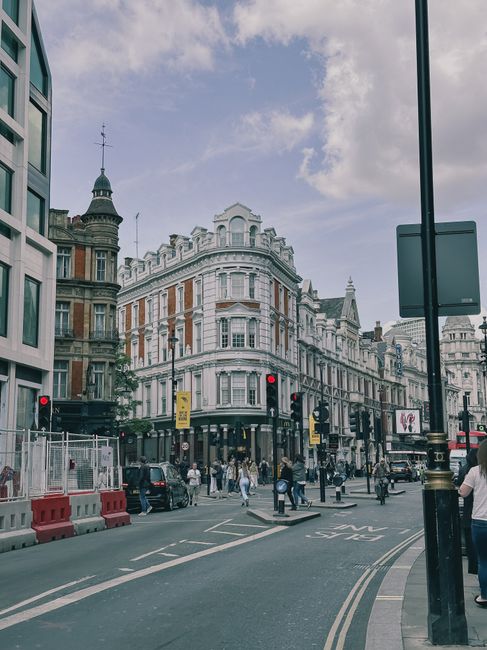
Shaftesbury Avenue is especially unforgiving in that regard. It sits in a dense, high-footfall part of London where traffic flow, deliveries, theatre schedules, and pedestrian movement can all collide. Even a short unloading window can become awkward if your vehicle cannot legally stop where you need it to. In a move, awkward tends to become expensive. And noisy. Usually both.
A permit or temporary traffic management arrangement is not just about convenience. It is about reducing risk, keeping the removal legal, and protecting everyone involved: the moving team, building occupants, passers-by, and the vehicles around you. For many people, the real value is peace of mind. You know the plan has been thought through instead of improvised at the kerbside.
If your move is more straightforward, a lighter service such as man and van support may be enough. For larger jobs, a properly coordinated vehicle can help a lot, especially when combined with the right moving truck for the route and load.
How Street closure permits for Shaftesbury Avenue removals Works
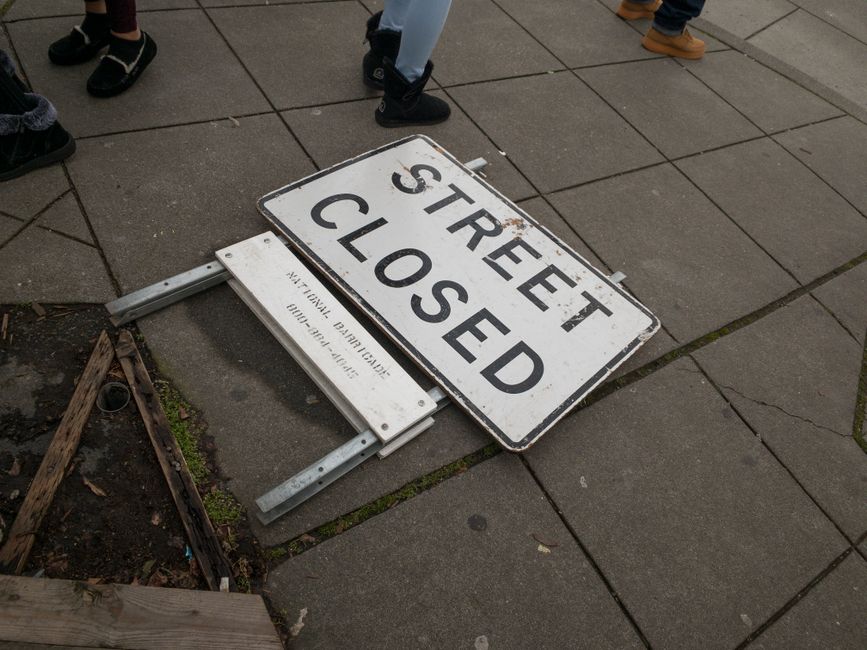
At a practical level, the process usually starts with an assessment of the street, the building access, and the timing of the move. The aim is to work out whether a full closure, a partial restriction, a suspension of parking bays, a loading arrangement, or another type of traffic control is needed. The exact permission route depends on the location and the local authority's requirements, so there is no one-size-fits-all answer here.
In many London moves, the key questions are quite simple:
- Can the removal vehicle stop legally and safely near the property?
- Will the pavement or carriageway be partially blocked during loading?
- Is there enough room for lifting furniture without putting pedestrians at risk?
- Will the work need cones, signage, marshals, or timed access control?
- Does the move affect neighbouring businesses, residents, or event traffic?
If the answer to any of those is yes, permit planning becomes more important. Sometimes it is handled through a parking suspension or a loading bay booking. In other cases, especially when access is tight or the road is already heavily used, a fuller traffic management approach may be considered. Not glamorous, granted. But very useful.
The other piece of the puzzle is timing. Permits and related arrangements often need lead time, and leaving it until the last minute can reduce your options. A good removals plan should account for the booking period, the arrival window, the building's access rules, and any restrictions on large vehicles. That is where coordinated services such as removal truck hire can help keep the logistics tidy.
For businesses relocating in the same area, the process is even more sensitive. Offices often need to move outside core trading hours, and a closure or access restriction can affect staff, deliveries, and neighbours. In that case, commercial moves or office relocation services are often the better fit because they build the operational side into the plan from the start.
Key Benefits and Practical Advantages
When the permit side is handled properly, the move itself usually feels much calmer. The benefits are not abstract. You notice them on the day.
- Safer loading and unloading: The team has space to work without squeezing around moving traffic.
- Less risk of delays: Vehicles can position where they are needed instead of circling for gaps.
- Lower chance of penalties or disputes: There is a clear basis for stopping, loading, or restricting access.
- Better protection for furniture and property: Fewer hurried lifts and fewer awkward manoeuvres through tight gaps.
- Smoother coordination with the building: Concierges, neighbours, and landlords tend to appreciate a clear plan.
There is also a less obvious benefit: confidence. Once the access question is resolved, the rest of the move becomes easier to manage. You can focus on packing, labelling, and protecting fragile items rather than worrying about whether the van can actually stay where it needs to stay.
For many households, this pairs well with home moves support or a more complete house removalists service. If packing feels like the part you will absolutely never have time for, then packing and unpacking services can take a surprising amount of pressure off.
Who This Is For and When It Makes Sense
Street closure permits are not needed for every move, and that is worth saying plainly. If you are moving from a building with easy off-street access and a wide loading area, you may not need much beyond standard parking or loading arrangements. But the tighter and busier the location, the more likely it is that some form of permit-based planning will help.
This tends to make sense for:
- flats or offices on busy central London roads
- moves that require a van or truck to stop in a controlled way
- properties with no driveway, yard, or service entrance
- large furniture items that need more manoeuvring space
- time-critical commercial relocations
- jobs involving sensitive loading windows, such as before opening hours
It can also be useful when multiple people are involved. Maybe the building manager wants one plan, the removals team wants another, and your own schedule is packed. A permit-led approach brings everyone back to the same page. That sounds basic, but honestly, that is half the battle.
If your move includes a one-off bulky item, the same thinking applies in a lighter form. A furniture pick-up may not need the same level of control as a full relocation, but access planning still matters on a street like Shaftesbury Avenue.
Step-by-Step Guidance
Here is a sensible way to approach the process without overcomplicating it.
- Assess the access problem. Look at where the vehicle would stop, how long the loading will take, and whether pedestrians or traffic would be affected.
- Confirm the move details. Note the date, approximate time, property type, floor level, lift access, and any items that are awkward to move.
- Check what type of restriction is needed. It may be a bay suspension, a loading-only arrangement, or another traffic control measure rather than a full road closure.
- Allow enough lead time. Do not leave permit planning to the final week if you can help it. Central London moves reward early preparation.
- Coordinate with the removals team. Make sure the crew knows the access plan, vehicle size, arrival time, and any special instructions.
- Prepare the property. Reserve lifts where needed, protect floors, and keep walkways clear so the team can move efficiently.
- On the day, keep one person responsible. Someone should be available to answer questions if the building, neighbours, or crew need quick clarification.
That last step matters more than people expect. A move can fall into confusion very quickly if nobody is clearly "on point" for decisions. It does not need to be a formal project manager. Just one calm, reachable person. Simple enough.
If the move is part of a bigger home relocation, working with man with van support can be a neat middle ground for smaller loads. Larger, heavier, or more complex moves may benefit from a dedicated vehicle through removal truck hire.
Expert Tips for Better Results
In our experience, the best moves in central London are rarely the ones with the fanciest plan. They are the ones with the clearest one. That sounds obvious, but it saves headaches.
- Measure access properly. Door widths, stair turns, lift dimensions, and kerb space all matter. Guessing is a bad hobby here.
- Build a buffer into the schedule. Traffic around Shaftesbury Avenue can be unpredictable at the best of times.
- Protect the building as if it were your own. Floor runners, corner protection, and careful wrapping reduce damage claims and awkward conversations.
- Keep bulky items grouped together. It sounds small, but having large furniture ready first can reduce loading time significantly.
- Plan around business activity. If the property is commercial, think about delivery times, opening hours, and nearby footfall.
One practical detail people overlook: the weather. A dry morning feels like a gift, but even a light shower can make pavements slippery and slow down handling. In London, you often feel the city before you see the trouble; wet pavements, bus brakes hissing, doors opening and closing, people rushing past. It all adds up.
If you are not sure your move is big enough to justify a full truck, a smaller vehicle such as a man and van or a moving truck can be matched to the load more accurately. That is often the smarter move, no pun intended.
Common Mistakes to Avoid
Most problems around street closure permits are not dramatic legal disasters. They are practical mistakes. The sort that snowball because someone assumed a space would be free, or believed a quick stop would be tolerated, or forgot that a loading bay is not automatically the same as a parking space.
- Leaving permit planning too late. This is probably the biggest one.
- Assuming a van can stop anywhere for a few minutes. On busy London streets, that assumption can be costly.
- Underestimating how long loading will take. Furniture almost always takes longer than people think.
- Not telling the building manager in advance. Access rules can surprise you if you do not ask.
- Booking the wrong vehicle size. Too small means extra trips. Too large means awkward manoeuvring.
- Ignoring neighbours or nearby businesses. Even a well-run move can feel chaotic if no one has been informed.
The irony is that people often focus hard on boxing up their belongings and forget the street outside. But on Shaftesbury Avenue, the street is half the job. Probably more than half, to be fair.
Tools, Resources and Recommendations
You do not need a stack of complicated tools to manage a move well. A few simple resources make a big difference:
- Floor plans or access notes: Helpful for understanding where furniture will actually fit.
- Room-by-room inventory: Makes it easier to estimate vehicle size and loading time.
- Labelled boxes: Save time during unloading and reduce confusion.
- Photos of access points: Useful when explaining tight entrances, staircases, or lift limits.
- A shared timeline: Keeps the move, permit, and building access aligned.
For some customers, the smartest starting point is a conversation with the removals provider rather than a long list of guesses. A team that regularly handles London moves can usually tell you quite quickly whether a permit, a bay suspension, a smaller vehicle, or a more flexible collection window is the better choice.
That is also where it can help to understand service fit. A straightforward household move may work well with home moves, while a larger or more demanding relocation may sit better with house removalists or broader commercial moves planning.
Law, Compliance, Standards, or Best Practice
Any work that affects a public road, pavement, or traffic flow should be treated carefully. The exact legal and procedural requirements will depend on the local authority, the nature of the restriction, and the type of move being carried out. It is best to view permits, suspensions, and closures as compliance-led tasks, not admin extras.
Good practice usually means:
- checking whether stopping, waiting, or loading is allowed in the chosen location
- making sure any restriction is booked or authorised before the move
- using appropriate signage or traffic management where required
- keeping the public safe and minimising obstruction
- respecting building rules, neighbour access, and timed deliveries
For commercial customers, this matters even more because poor planning can affect trading, staff movement, and customer access. The safest approach is to treat the move as a small operational project rather than a casual collection. Not dramatic, just responsible.
There is also an important distinction between what is technically possible and what is practically wise. A vehicle may fit into a space, but that does not always mean it should stop there. A compliant, well-managed stop is always better than a rushed one.
Options, Methods, or Comparison Table
Different moves call for different levels of control. Here is a simple comparison to help you think it through.
| Option | Best for | Pros | Watch out for |
|---|---|---|---|
| Standard kerbside loading | Simple moves with workable access | Quick, low complexity | May be impossible on busy stretches or restricted roads |
| Parking bay suspension or loading arrangement | Urban moves with limited stopping space | Creates a more controlled loading point | Usually needs lead time and precise timing |
| Temporary street closure or traffic control | Tight access, large items, or high-risk loading zones | Safer working area, better flow control | More coordination, more planning, higher admin burden |
| Small vehicle / shuttle approach | Properties with awkward access | More flexible, easier to position | May require extra trips and more labour time |
For many residential jobs, a smaller vehicle can be enough, especially if the team is experienced in city access. In that case, furniture pick-up style handling or a flexible van approach may be more practical than bringing in a larger truck unnecessarily.
Case Study or Real-World Example
Imagine a small office moving off Shaftesbury Avenue on a weekday morning. The team needs to clear desks, boxed files, two heavy storage units, and a few monitors. The building has a narrow entrance and no dedicated service bay. If the removal vehicle arrives without an access plan, it may end up circling nearby streets while staff wait with packed boxes at reception. Nobody wants that. It is noisy, awkward, and it burns time.
In a better version of the same move, the planning starts early. The team checks the loading point, confirms the vehicle size, and arranges the appropriate access control so the van can stop legally near the entrance. The lift is booked in advance, fragile items are wrapped first, and the crew has a clean loading sequence. The move still takes effort, of course. It is a move. But it feels controlled rather than improvised.
That is the real value of permit planning. It does not make the job magical. It makes the job manageable.
Practical Checklist
Use this before the move date arrives.
- Confirm the exact property address and access point
- Check whether the move affects the road, kerbside, or pavement
- Decide whether a closure, suspension, or loading arrangement is needed
- Book the removals team early
- Match the vehicle size to the load
- Tell the building manager or landlord about the move
- Reserve any lifts or common areas if required
- Label boxes and separate fragile items
- Protect floors, corners, and door frames
- Leave one person responsible for day-of coordination
- Keep contact details handy for the removal team
- Allow extra time for traffic, access checks, and unexpected delays
And one more thing: keep a mug of tea nearby for when the dust settles. Small comforts count.
Conclusion
Street closure permits for Shaftesbury Avenue removals are really about control, safety, and keeping a busy London move from turning into a scramble. If the access is tight, the vehicle needs a controlled stopping point, or the work could affect the public highway, permit planning deserves attention early in the process.
The good news is that once the street-side logistics are sorted, everything else becomes easier. You can focus on the move itself: wrapping, lifting, loading, and getting settled on the other side. Whether you are relocating a flat, clearing a studio, or moving an office, the most reliable approach is still the same: plan early, choose the right vehicle, and keep the access route clear in your head before moving day arrives.
If you want a move that feels calm rather than chaotic, start with the practical bits. The rest tends to follow.
Get a free quote today and see how much you can save.
Frequently Asked Questions
Do I always need a street closure permit for a removal on Shaftesbury Avenue?
No, not always. Some moves can be completed with standard loading or parking arrangements, but busy central London locations often need more careful access planning. The need depends on where the vehicle stops, how long it needs to stay, and whether the move affects traffic or pedestrians.
What is the difference between a street closure and a parking suspension?
A street closure restricts access to part or all of the road for a period of time. A parking suspension usually prevents normal parking in a specific bay so a vehicle can load or unload there. For removals, a suspension is often enough, but not every street or job works that way.
How far in advance should I sort out permit planning?
As early as possible. Central London moves can need lead time because access arrangements, building rules, and local restrictions all have to line up. Leaving it until the final few days usually makes the process harder, not easier.
Can a removals company help with the permit side?
Yes, many experienced removal teams can advise on access planning and the practical side of loading restrictions. Some will manage the process with you, while others will work from the permissions you have arranged. Either way, it helps to involve them early.
What happens if I move without the right permission?
You could face delays, enforcement issues, awkward access problems, or pressure on the moving team to work in unsafe conditions. It is not just about paperwork. It can affect the whole day.
Is Shaftesbury Avenue especially difficult for removals?
It can be, yes. It is a busy part of central London with constant movement, narrow time windows, and limited tolerance for poorly parked vehicles. That does not make moves impossible, just more dependent on planning.
What type of vehicle is best for a Shaftesbury Avenue move?
That depends on the amount of furniture, the access route, and whether the stop is tightly controlled. A smaller van can be easier to position, while a larger truck may be more efficient for bigger loads. The right answer is usually the one that fits the street, not just the sofa.
Do office removals need different planning from home removals?
Usually, yes. Offices often have tighter time limits, more coordination points, and more people affected by access changes. Home removals are simpler in some ways, but they still need careful timing if the street is busy.
What should I tell the removals team before the move?
Share the exact address, access details, floor level, lift availability, any parking or loading restrictions, and the size of the items being moved. If there is any chance that a controlled street arrangement is needed, mention that early. No surprises is the goal.
Are there ways to make the move easier without a full street closure?
Yes. Sometimes a loading bay booking, timed access, a smaller vehicle, or a better loading sequence is enough. It is worth exploring the lightest option that still keeps the move safe and legal.
Can packing help reduce the need for longer road access?
Absolutely. Well-packed boxes, pre-wrapped furniture, and clearly labelled items speed up loading and unloading. That can reduce the time the vehicle needs to stay in place, which helps a lot on busy roads.
Where should I start if I am still unsure what I need?
Start with the access problem. Ask yourself where the vehicle can stop, how long loading will take, and whether the street will be affected. Once you know that, the rest becomes much easier to decide. And if you are still unsure, a quick discussion with a removals specialist is usually the sensible next step.